
Revelation 19 Hallelujah


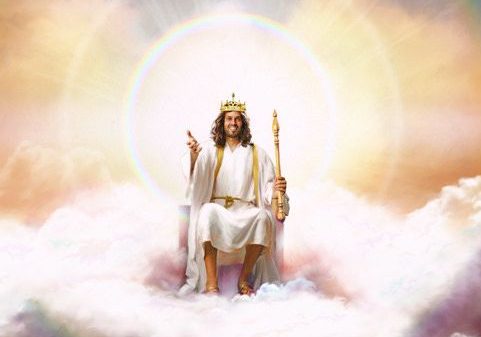
As we draw 2025 to a close, it is fitting that we stop and ponder the truth of this word that is in honor to the King of Kings, and Lord of Lords. He has ruled from eternity past, yet laid aside His glory to pay our sin debt. We shout with the throngs of believers this word for it captures what our hearts are singing. It means: “praise ye the Lord, Hallelujah.” HALLELUJAH – hal-e-loo’-ya (halela-yah, “praise ye Yah”; allelouia): The word is not a compound, like many of the Hebrew words which are composed of the abbreviated form of “Yahweh” and some other word, but has become a compound word in the Greek and other languages. Even if the Jews perhaps had become accustomed to use it as a compound, it is never written as such in the text.
Today, our thoughts fly back to those who have entered eternity this past year and and as we pause, we know that they now stand in His Presence clothed in the righteous garment of their salvation and have joined the celebration chorus.
A composer of many years ago wrote the Hallelujah Chorus based on this passage in Revelation chapter 19. The “Hallelujah Chorus” originates from George Frideric Handel‘s 1741 oratorio Messiah, with lyrics compiled by Charles Jennens from the Bible, particularly Revelation 19, celebrating Christ’s triumph (resurrection, second coming). Composed in a burst of inspiration, it’s famous for its powerful, escalating “Hallelujah” and “King of Kings” sections, originally intended for Easter but now a Christmas staple, leading audiences to stand out of reverence (possibly started by King George II).
a


Responses